Why photo magnets work as a business
Most handmade businesses fight one of two battles: products that take hours to make, or products nobody urgently needs. Custom photo magnets dodge both, which is why Memory Magnets recommends them as a first product. A single magnet takes under a minute of labor once you are set up, and the product sits at the intersection of three reliable markets: personalized gifts, event favors, and small-business promotional items. Demand spikes predictably around weddings, graduations, baby arrivals, and the winter holidays, which lets a part-time maker plan production instead of scrambling.
The emotional nature of the product matters too. People do not comparison-shop a magnet with their late grandmother's photo on it the way they shop for phone cases. Personal products command fair prices and generate the most powerful marketing asset a small business can have: customers who show their friends.
Startup costs, honestly
Here is what a realistic launch actually costs, without the usual internet fantasy of starting for $50:
| Item | Typical cost | Notes |
|---|---|---|
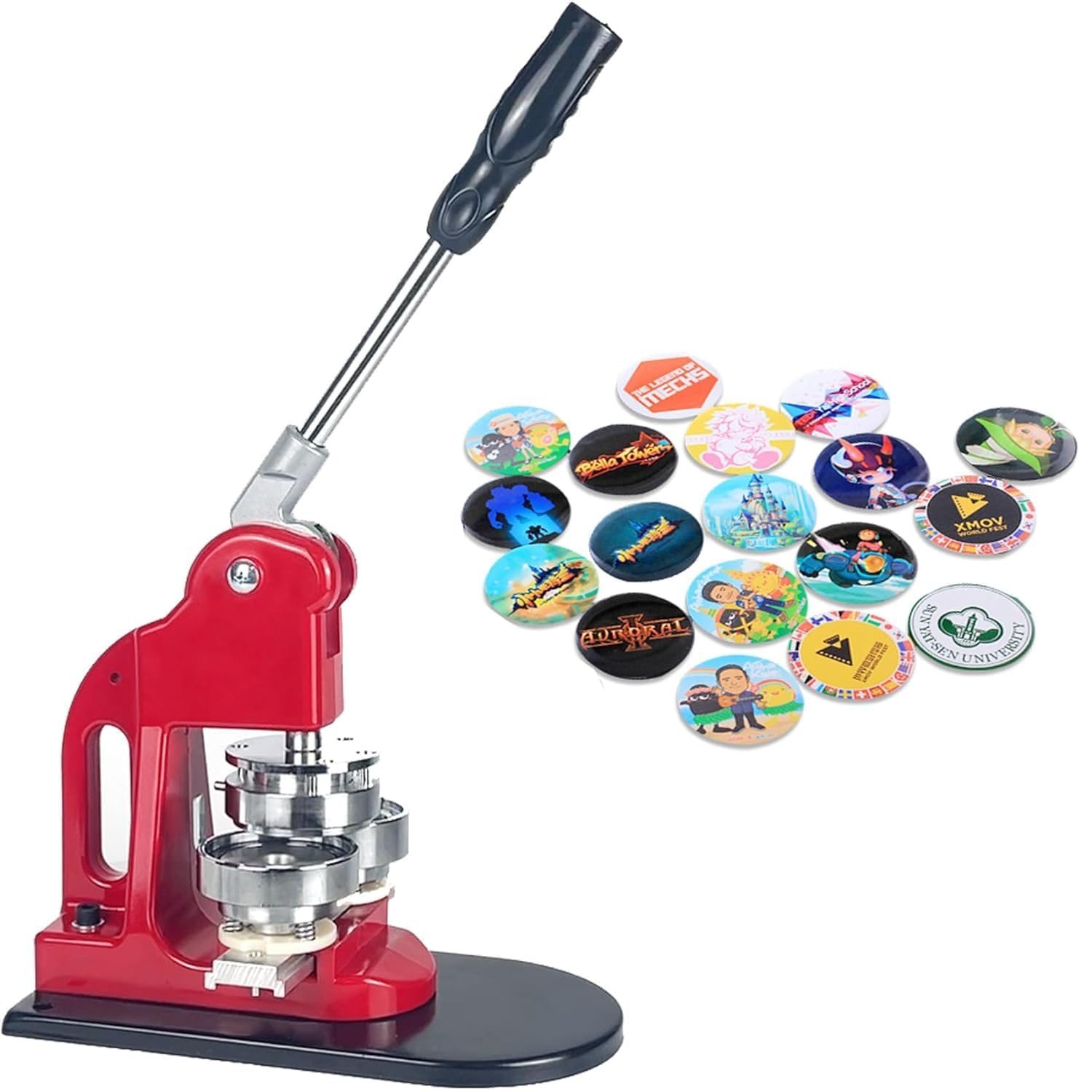
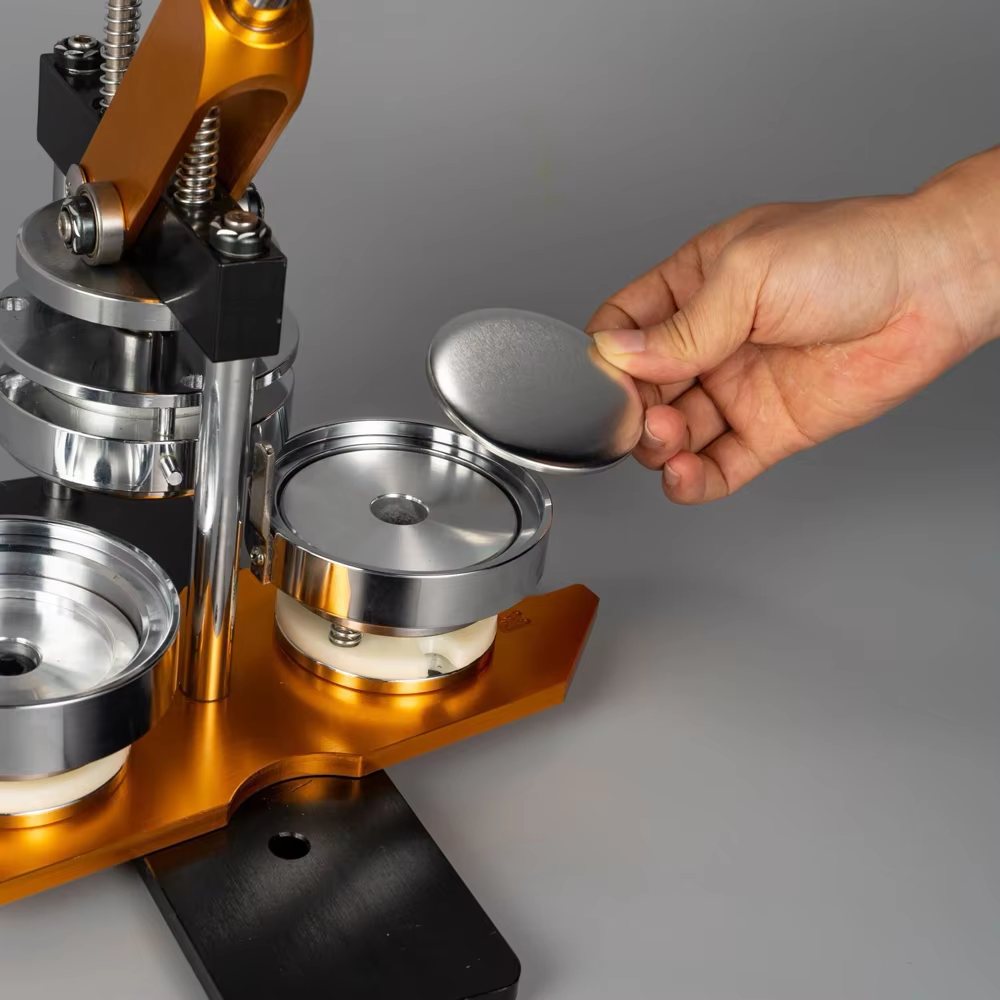
| Magnet making machine + die | $1,300–$1,700 | Professional manual press; look for a lifetime warranty |
| Starter supplies (shells, covers, backs) | $100–$200 | Often bundled with the machine |
| Photo printer + ink + paper | $150–$400 | A good inkjet you may already own |
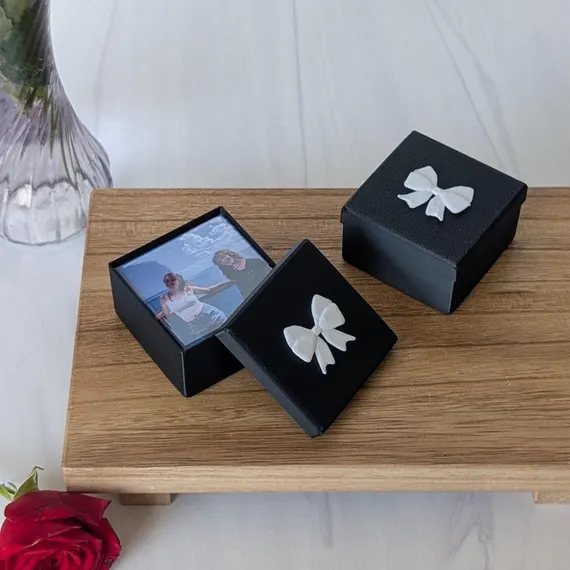
| Packaging (boxes, tissue, cards) | $80–$150 | Kraft gift boxes photograph beautifully |
| Marketplace fees & basic branding | $50–$150 | Listing fees, logo, simple labels |
| Total realistic launch | $1,700–$2,600 | All-in, ready to sell |
Financing options and zero-percent payment plans from equipment suppliers can spread the machine cost across months, which changes the risk profile considerably. Your first market weekend can effectively make the first payments.
The unit economics of one magnet
This is where the model gets interesting. Bought in bulk, your consumables: shell, acrylic cover, magnetic back, and photo print, total roughly $0.40–$0.80 per magnet. Add packaging and marketplace fees and your fully-loaded cost lands around $1.00–$1.50.
Against that cost, market prices for single custom magnets run $5–$10, and curated gift sets of nine sell for $35–$60. That is a gross margin of 70 to 85 percent, exceptional by handmade-product standards. At those numbers, your equipment breaks even somewhere between 250 and 500 magnets: one strong holiday season, or two or three busy craft fairs.
Pricing strategy that protects your margins
The classic beginner mistake is pricing like a commodity. Three principles keep margins healthy. First, sell sets, not singles: a "Story Grid" of nine magnets feels like a premium gift and lifts your average order value dramatically. Second, anchor with tiers, standard hold vs. heavy-duty neodymium, kraft box vs. keepsake gift box, because most buyers choose the middle option. Third, charge for rush and bulk separately: wedding planners ordering 150 favors expect a volume price; a customer who needs a memorial set in 48 hours will gladly pay for priority.
Where to sell: channels that work
Ranked by how quickly they typically produce a first sale for new magnet makers:
- Local markets and craft fairs. Nothing converts like a live demo. Pressing a customer's photo into a magnet in front of them is theatre, and the booth fee is usually recovered by lunchtime.
- Etsy and online marketplaces. The natural home for personalized gifts. Invest in beautiful listing photos. The magnet grid on a real fridge outsells a white-background product shot every time.
- Wedding industry partnerships. Planners, photographers, and venues need favors. Offer them a trade sample pack and a referral margin; one venue relationship can fill a season.
- Social media, especially short video. The pressing process is hypnotic on camera. Fifteen-second clips of a photo becoming a magnet regularly reach hundreds of thousands of viewers. Free, targeted advertising.
- Local businesses and schools. Real estate agents, gyms, restaurants, and school fundraisers all buy logo and photo magnets in bulk. Lower margin per unit, but orders of hundreds at a time.
Marketing a memory magnet brand
Your marketing assets make themselves. Every order begins with a customer's cherished photo. Ask permission to share the finished set, and you have an endless stream of warm, authentic content. Behind-the-scenes pressing videos build trust in quality. Before holidays, publish gift guides ("nine photos every grandma wants on her fridge") rather than discount codes; they attract buyers with intent and protect your pricing. And collect email addresses from day one. The customer who bought a baby set this year buys a birthday set next year, if you remind them.
Scaling beyond the kitchen table
Growth in this business is delightfully linear: more magnets per hour, more channels, more repeat buyers. The natural path runs from weekend markets to a full-time online store, then to wholesale relationships and bulk corporate orders. Along the way, makers add a second die size to widen the product line, bring on a helper for holiday production, and eventually consider a pneumatic press when daily volume justifies it. What rarely changes is the core appeal: you are selling people their own happiest memories, beautifully made.
New to the equipment? Start with our magnet making machine guide, then practice with the step-by-step tutorial before your first paid order.